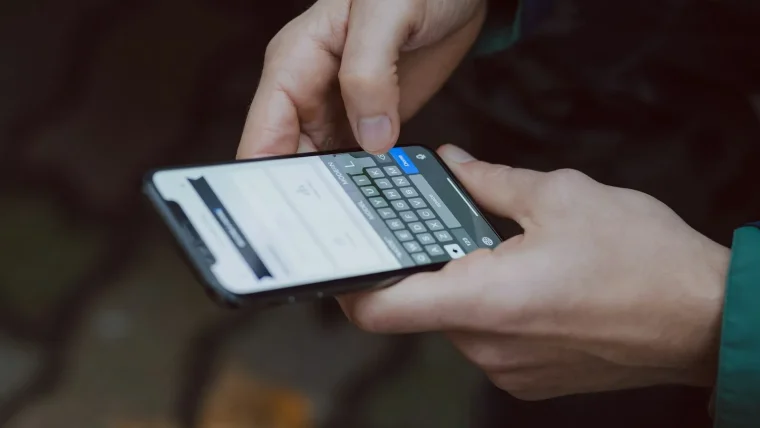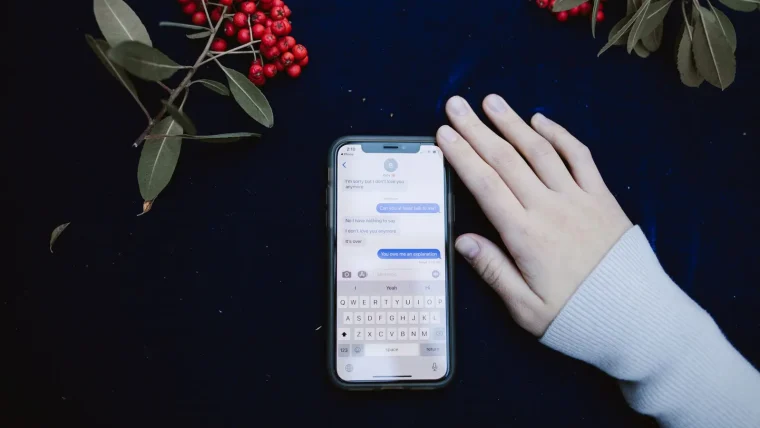

A caller says he is from your bank’s fraud team. He already knows your name, the last four digits of your card, and the coffee shop where you spent money this morning. He sounds calm and helpful. He just needs you to read back the code the bank is texting you right now to “stop the fraudulent charge.” None of the systems around you have been broken into. You are the system he is breaking into.
That is social engineering: the art of hacking people instead of computers. It is behind most scams, most phishing, and a surprising share of major data breaches. The good news is that it relies on a handful of predictable emotional levers, and once you can name them, they stop working on you.
Key takeaways
- Social engineering manipulates human trust and emotion instead of hacking machines.
- Scammers lean on a few levers: authority, urgency, fear, greed, and helpfulness.
- The single habit that defeats almost all of it is pause, then verify through a channel you chose.
- Anyone can be targeted; falling for a skilled attempt is not a sign of carelessness.
Why hacking people beats hacking machines
Modern software is hard to break. Passwords get longer, systems get patched, and two-factor authentication guards the door. Humans, by contrast, come pre-loaded with instincts that a con artist can borrow.

We are wired to trust authority, to help people who ask nicely, and to act fast when something feels urgent. Those instincts serve us well in daily life. A scammer’s entire job is to trigger one of them on purpose so that you skip the moment of doubt that would have saved you.
This is the common thread running through nearly every threat we cover in our overview of how to spot scams and phishing. The delivery changes, from email to phone call to text, but the manipulation underneath stays the same.
The emotional levers scammers pull
Almost every attack presses one or more of a short list of buttons. Learning the list is like learning a magician’s method: the trick still looks slick, but you can see how it works.
Authority
People comply with figures who seem to be in charge: a bank, the tax office, your company’s IT department, the police. Scammers impersonate these because a uniform, a logo, or an official-sounding title lowers your guard before a word is even exchanged.
Urgency and fear
“Your account will be closed in one hour.” “There is a warrant for your arrest.” Fear and time pressure crowd out careful thought, which is exactly the point. These deserve their own study, and we break them down in our list of the urgency tricks scammers rely on.
Trust and likability
A friendly, patient caller who seems to be on your side is disarming. This is the engine behind romance scams, where the attacker spends weeks becoming someone you trust before a single request appears.
Greed and curiosity
A prize you did not enter, a refund you are owed, a mysterious package notification. The promise of something good, or the itch to know what a link contains, gets people to click when caution would have stopped them.
Scammers often stack levers. A fake message might claim to be from your bank (authority), warn of fraud closing your account today (urgency and fear), and offer to fix it if you act now (helpfulness). Recognizing even one lever is enough to break the spell.
What these attacks look like in the wild
The same handful of levers shows up in wildly different packages. Here are the forms you are most likely to meet.
| Technique | How it reaches you | The core trick |
|---|---|---|
| Phishing | A fake message pushing you to click or log in | |
| Smishing | Text message | A “delivery” or “bank” text with a bad link |
| Vishing | Phone call | A live voice impersonating an authority |
| Pretexting | Any channel | An invented backstory to justify the request |
| Baiting | Downloads, USB drives | A tempting offer that hides malware |
You do not need to memorize the jargon. Notice instead that every row ends the same way: someone wants you to click, log in, pay, or share a code, and they want it now.
The one habit that stops almost all of it
If you take a single thing from this piece, make it this: pause, then verify through a channel you picked yourself.
The pause matters because manipulation depends on speed. A scammer needs you reacting, not thinking. Giving yourself even sixty seconds is often enough for the story to fall apart.
Verification matters because you must not use the contact details the message gives you. If a “bank” calls, hang up and dial the number printed on your actual card. If an “email from IT” asks for your password, walk over or message IT through your normal internal channel. The moment you confirm through a route you chose, the impersonation collapses.
The U.S. Cybersecurity and Infrastructure Security Agency keeps a short, readable page on avoiding social engineering and phishing attacks at cisa.gov that is worth reading once and keeping handy.
Adopt a family rule I set up for my parents: nobody acts on an urgent money or account request until they have called the person or company back on a known number. It sounds small. It has stopped two scams in their house already.
Rules that make you a hard target
Beyond the pause-and-verify habit, a few standing rules quietly close most doors.
Never share a one-time code with anyone, ever. Real companies send those codes to you, not to a caller who asks you to read them out. That single rule defeats a huge slice of account-takeover attacks.
Assume caller ID and sender names can be faked, because they can. Scammers can make a call appear to come from your bank’s real number. Treating the display name as a suggestion, not proof, keeps you honest.
Slow down when a message engineers strong emotion. Legitimate organizations do not threaten you with arrest by text or demand instant payment in gift cards. If a message is trying to make you panic, that feeling is the evidence.
Falling for a polished social engineering attack is not a character flaw. These are run by skilled professionals who practice on thousands of people. The most security-aware among us have been fooled. Shame keeps victims silent, which only helps the next scammer.
Your afternoon checklist
- Adopt one rule for your household: pause and call back on a known number before acting on any urgent request.
- Save your bank and card fraud numbers in your phone so you never rely on a number a caller gives you.
- Commit to never sharing a one-time verification code with any caller or message.
- Turn on two-factor authentication for email and banking so a single leaked password is not enough.
- Talk through the five levers with an older relative so they can name the trick when it happens.
- Bookmark the CISA guidance on avoiding social engineering for a quick refresher.
- Practice hanging up on a suspicious call without guilt, then verifying independently.
Once you can see the strings, the puppet show loses its power. You will still get the calls and the texts, but instead of a jolt of panic you will feel a small, useful flicker of recognition, and that flicker is what keeps your money and your accounts where they belong.