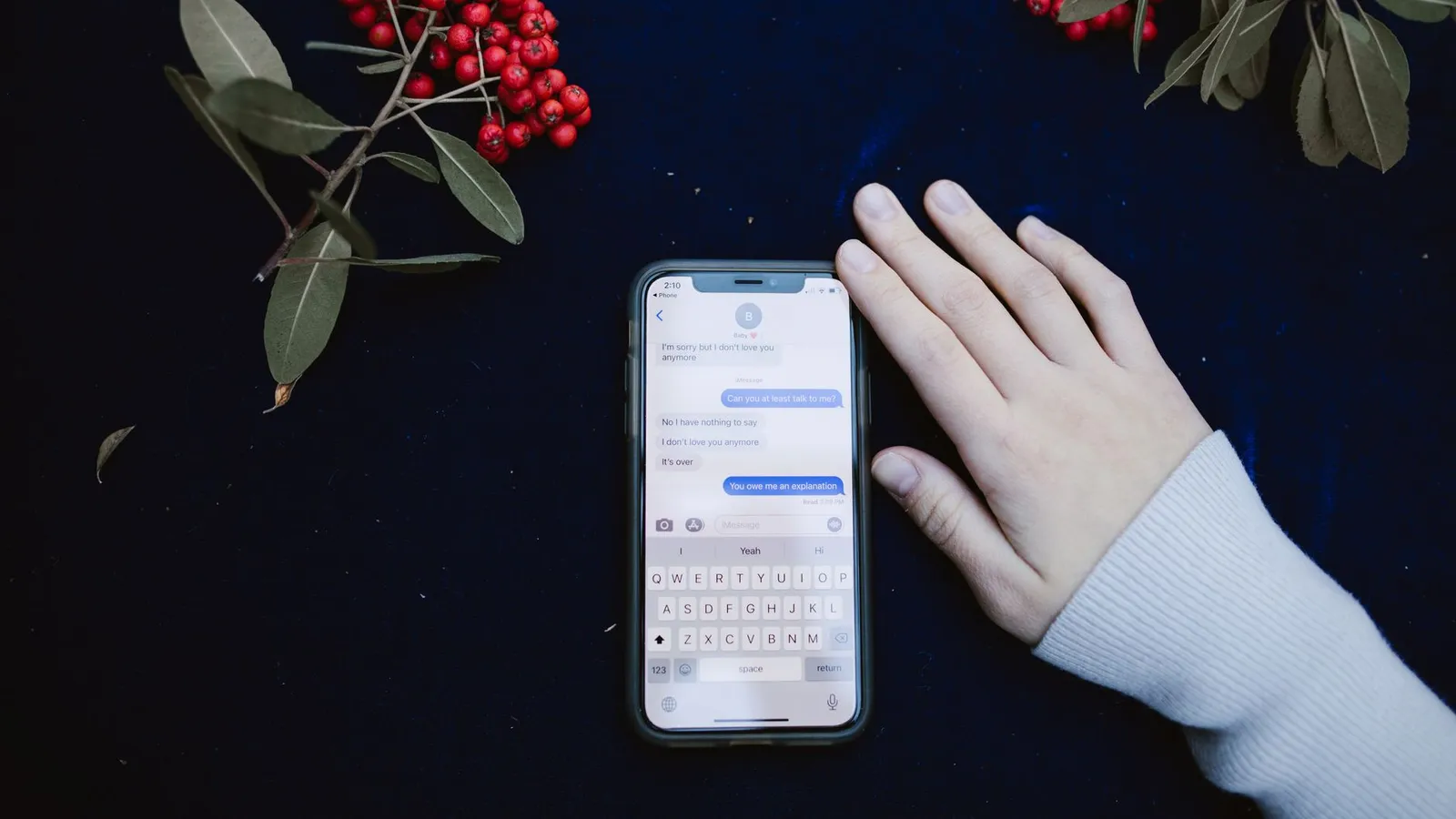
She matched with him on a dating app in March. By June they talked every morning, and he called her the name only her late husband had used. Then his “contract” in Dubai hit a snag, and he needed 4,000 dollars to fly home to finally meet her. She sent it. Then more. By the time her daughter noticed the drained savings, the man in the photos had never existed.
Romance scams are cruel in a way most fraud is not, because they steal trust before they steal money. They also happen to smart, careful, wonderful people every single day. Knowing the pattern is how you protect yourself and the people you love.
Key takeaways
- A romance scammer builds a fast, intense connection, then engineers a money emergency.
- Refusing every video call and never meeting in person are the biggest red flags.
- No real partner you have never met needs your money, gift cards, or crypto.
- If someone you love is caught, lead with compassion, not blame, or they will hide it.
How a romance scam unfolds
These scams follow a script so reliable that the people running them often work from written playbooks. Understanding the arc makes the individual moments easier to catch as they happen.
First comes the connection. The scammer’s profile is attractive, often a doctor, engineer, or someone in the military stationed far away, which conveniently explains why they cannot meet. They message constantly and mirror your interests, moving fast toward “I love you” and talk of a future.
Then comes the isolation and the emergency. They discourage you from telling friends, framing the relationship as too special for outsiders to understand. Eventually a crisis appears: a medical bill, a stuck shipment, a customs fee, a business deal that will pay off enormously if you can just help this once.
This is textbook manipulation, and it is worth understanding the machinery behind it in our primer on how social engineering works. Romance scams are that same engine pointed at your heart, and they share the same defenses as the wider threats in our guide to spotting scams and phishing.
The warning signs, in plain terms
You rarely see all of these at once, but a cluster of them together is the alarm you should trust.
They will not video chat or meet
This is the single strongest sign. There is always a reason: a broken camera, a bad connection on the oil rig, a deployment. A real person who claims to love you will find a way to show their face on a live call. A scammer using stolen photos cannot.
The relationship moves impossibly fast
Declaring deep love within days or a couple of weeks, before you have shared a single live conversation, is a tactic, not romance. Speed is how they cement your attachment before the requests begin.
Every path leads to money
It may start small and framed as temporary. But the ask always arrives, and once you pay, a new emergency follows. The payment method is telling: wire transfers, gift cards, cryptocurrency, and payment apps, all chosen because you cannot get the money back.
A newer twist is the “investment” romance scam, sometimes called pig butchering. Here the ask is not for a loan but to join a crypto trading platform your sweetheart swears by. The platform is fake, the early “gains” are bait, and your deposit vanishes when you try to withdraw.
How to verify who you are talking to
You do not have to accuse anyone. You just have to confirm they are real, and a genuine partner will not mind at all.
Insist on a live video call early, and pay attention if it never happens. Run a reverse image search on their profile photos; scammers reuse pictures, and you may find the same face attached to a different name. Ask specific, unrehearsed questions about the local time, the weather where they are, or a detail from an earlier chat, and watch for vague or shifting answers.
When I was helping my aunt vet a new online match, we did a plain image search of his photos together. Two of them belonged to a model in another country. She was disappointed for an evening, and spared months of heartbreak.
Legitimate contact versus a scammer
Sometimes it helps to see the two side by side, because in the moment the differences can blur.
| Behavior | A real partner | A romance scammer |
|---|---|---|
| Video calls | Happy to, even eager | Always an excuse |
| Meeting in person | Makes real plans | Cancels at the last moment, needs money to travel |
| Money | Never asks a stranger for it | An emergency arises, then another |
| Your friends and family | Wants to be introduced | Discourages you from telling anyone |
| Payment they request | None | Gift cards, wire, crypto, apps |
If you or someone you love is caught
Shame is the scammer’s last weapon, and it keeps victims silent while the loss grows. So the first thing to say, to yourself or to a relative, is that this was a crime committed by a professional, not a foolish mistake.
Stop all payments immediately and cut contact. Do not send “one last” transfer to recover what is lost; that is its own scam layered on top. Contact your bank or the payment service right away, because fast reporting occasionally allows a wire or transfer to be clawed back.
Then report it. In the United States, file with the Federal Trade Commission at reportfraud.ftc.gov, and consider the FBI’s complaint center for larger losses. Reporting will not always recover money, but it feeds the investigations that shut these operations down. For the practical order of what to do next, our walkthrough of the steps to take after you have been scammed covers the accounts and money to protect first.
When you talk to a loved one who was targeted, ask questions instead of passing judgment. “Tell me about him” opens the door; “How could you fall for that” slams it shut and pushes them back to the scammer, who feels like the only one who understands.
Your afternoon checklist
- On any dating app or new online romance, insist on a live video call before things get serious.
- Reverse image search the photos of anyone you have met only online.
- Set a firm personal rule: never send money to someone you have not met in person.
- Tell one trusted friend or family member about a new online relationship early, before isolation sets in.
- Watch for the pivot to any “opportunity” involving crypto or an investment platform they recommend.
- Bookmark reportfraud.ftc.gov so you know exactly where to report if something turns.
- If a relative seems caught, plan a calm, non-judgmental conversation instead of a confrontation.
The wish to connect is not a weakness, and being targeted is not your fault. Verify with your eyes, keep your money out of the picture until you have met in real life, and lean on the people who love you, because that circle is exactly the thing a scammer works so hard to make you leave.