An ad slides across your feed: a coat you have wanted all season, marked down to a quarter of its usual price, “today only.” The photos look real. The store looks polished. You add it to the cart, type in your card number, and hear nothing for three weeks. When something finally shows up, it is a flimsy knockoff, or nothing arrives at all and the site has vanished.
Fake online stores are one of the easiest traps to fall into because they are built to look exactly like the real thing. The good news is that they leave fingerprints, and once you know where to look, you can spot most of them in under two minutes.
Key takeaways
- A price that is 70-90% off the normal retail rate is the single biggest warning sign of a fake store.
- Check the exact web address, the age of the site, and the payment options before you type a card number.
- Pay with a credit card or a trusted wallet so you keep the right to a chargeback.
- Fresh social media ads and brand-new domains are where most fake shops find their victims.
Why fake stores work so well
Building a convincing storefront used to take skill. Now anyone can clone a real shop’s layout, lift its product photos, and spin up a lookalike in an afternoon. The template does the heavy lifting, so the site feels trustworthy at a glance.
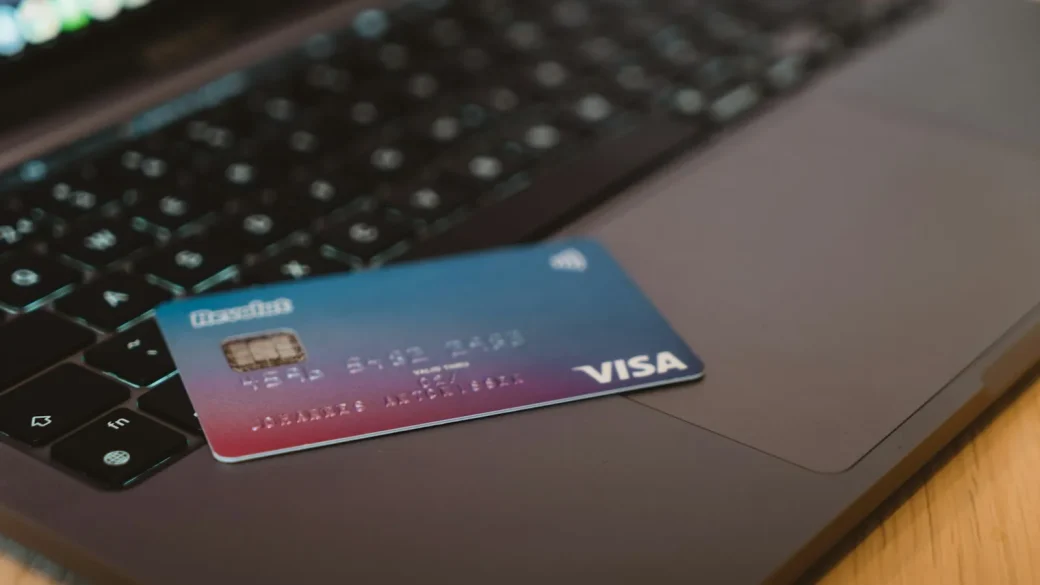
The bait is almost always a deal that feels too lucky to pass up. Scammers know a genuine bargain makes people move fast and think less. They pair that with a countdown timer or a “only 3 left” banner to rush you past the moment where doubt would normally kick in.
A mistake I see constantly is judging a store by how professional it looks. Design is cheap now. The polish tells you nothing about whether a real person will ship you a real product.
The red flags that give a fake store away
Most fake shops trip over the same handful of tells. Learn these and you will catch the majority before you ever reach checkout.
Prices that make no sense
Real retailers run sales, but they do not sell a 200 dollar jacket for 29 dollars with free shipping. If the discount is steep enough to feel unbelievable, treat it as a warning, not a win. Cross-check the same item on the brand’s official site or a store you already trust.
An address that is almost right
Scammers register domains that look close to a famous brand: an extra word, a swapped letter, or an odd ending like “.shop” or “.store” tacked onto a name that normally uses “.com”. Read the address bar slowly, letter by letter. My rule is simple: if I did not type the address myself or reach it from a bookmark, I read the whole thing before I trust it.
Contact details that lead nowhere
A real business gives you a way to reach a human. Look for a physical address, a working phone number, and an email on a matching domain. Fake stores often list only a web form, a free Gmail address, or nothing at all. Copy any listed address into a maps search and see if a real shop actually sits there.
Payment options that dodge protection
If a store pushes you toward bank transfer, cryptocurrency, gift cards, or a wire, walk away. Those methods are chosen precisely because they are hard to reverse. A legitimate shop accepts normal card payments and trusted wallets.
A padlock icon in the address bar only means the connection is encrypted, not that the shop is honest. Plenty of fake stores buy the free certificate that turns on the padlock. Treat it as the bare minimum, never as proof.
A two-minute safety check before you pay
Here is the routine I run on any store I have not bought from before. It takes about as long as reading the return policy, and it catches most fakes.
| Check | What to do | Bad sign |
|---|---|---|
| The address | Read the full domain in the bar | Misspelling, extra words, odd ending |
| Site age | Search the domain on a WHOIS lookup | Registered days or weeks ago |
| Reviews | Search “store name + scam” or “+ reviews” | No results, or a wall of complaints |
| Contact | Look for a real phone and address | Only a web form or free email |
| Payment | Reach the checkout page | Only bank transfer, crypto, or gift cards |
One extra step: run the store name through a search engine with the word “scam” attached. Victims post fast, and a single afternoon of complaints tells you everything you need to know. The Federal Trade Commission also publishes plain-language guidance on spotting fraudulent shopping sites if you want a second reference.
When you land on a store from a social media ad, do not buy through the ad. Open a new tab, type the brand name yourself, and reach the real site directly. Ads are the number one delivery route for fake shops.
Where fake stores hunt for buyers
Most fake shops do not wait for you to find them. They pay for placement in your feed. Freshly minted stores buy a burst of ads on social platforms, harvest a few hundred card numbers, then disappear before the complaints pile up.
This is why the same skills that help you dodge fake shops overlap with wider habits. Understanding how these schemes are structured, which you can pick up from our beginner’s guide to spotting scams and phishing, makes the whole pattern easier to see coming.
If you buy and sell secondhand, the risks shift a little. A parallel set of tricks shows up in our walkthrough on avoiding marketplace and buyer scams, where fake buyers and overpayment tricks target sellers instead of shoppers.
What to do if you already paid a fake store
If you have a sinking feeling right now, do not panic. Speed matters more than perfection.
Call your card issuer and ask to dispute the charge. If you paid by credit card, you almost certainly have chargeback rights, and issuers handle fake-store disputes constantly. Change your password on any account where you reused that store’s login, and watch your statement for small “test” charges that hint someone is probing the card.
Before you trust your next unfamiliar shop, it is worth learning the quick habits in our guide to checking whether a website is safe to use, which covers the address-bar and reputation checks in more depth.
Your afternoon checklist
- Pick one store you were about to buy from and run the five-point table check.
- Read the full web address out loud, letter by letter, and confirm the spelling.
- Search the store name plus “scam” and skim the first page of results.
- Look for a real phone number and street address, then verify the address on a map.
- Reach the checkout and confirm it accepts normal card payments, not just transfers or crypto.
- Set your default payment to a credit card or trusted wallet for online buys.
- Bookmark the official sites of shops you use often so you never rely on an ad link.
Fake stores are betting you will move fast and skip the boring checks. Slow down for two minutes and you take that whole game away from them. The coat you actually want will still be there tomorrow, on a site that ships.