Two people buy the same jacket from the same shady website. One paid with a debit card and spent three weeks fighting to get $80 back. The other paid with a credit card, made one phone call, and never lost a cent. Same store, same scam, completely different outcome.
The payment method you reach for decides how much protection you carry into every online purchase. Here is how the common options compare, so you know which to pick before you type a single digit.
Key takeaways
- Credit cards offer the strongest fraud protection, because disputed money is the bank’s, not yours.
- Debit cards are the weakest online choice, since fraud drains your real balance while you wait for a refund.
- Virtual card numbers and payment apps add a layer that hides your real card from the merchant.
- The right method depends on the purchase: new store, subscription, or trusted retailer each have a best pick.
- Whatever you choose, alerts and a monthly statement check are your backstop.
Why the method matters more than the store
People spend their energy judging whether a store is trustworthy. That matters, but it is guesswork. Your payment method is something you fully control, and it works even when your judgment about a store is wrong.

Think of it as a seatbelt. You do not decide to wear one based on how safe the drive looks. You wear it every time, because it protects you exactly when things go wrong unexpectedly. A strong payment method is the same idea.
The options, compared head to head
Here is the practical ranking for online purchases, from strongest protection to weakest. Read it once and your default choice becomes obvious.
| Method | Fraud protection | Hides your real card? | Best for |
|---|---|---|---|
| Virtual card number | Strong: dispute rights plus a number you can delete | Yes | New stores, free trials, subscriptions |
| Credit card | Strongest: liability capped, money never leaves your account in a dispute | No | Everyday shopping at known retailers |
| Payment app (PayPal, etc.) | Good: buyer protection on eligible goods | Yes, from the seller | Marketplaces and unfamiliar sellers |
| Mobile wallet (Apple Pay, Google Pay) | Strong: uses a hidden token, not your card number | Yes | Sites and apps that accept it |
| Debit card | Weaker: fraud hits your real balance first | No | Avoid online when you have an alternative |
| Bank transfer / wire / gift card | Almost none: treat as cash gone | No | Never for online purchases |
Credit cards: the reliable default
For most online buys, a credit card is the right answer. United States law caps your liability for unauthorized charges at $50, and every major issuer waives even that. Best of all, during a dispute the contested amount is the bank’s money, so your own balance is untouched while it gets sorted out.
The one catch is that your real card number goes to the merchant. That is where the next two options improve things.
Virtual card numbers: a shield for your real card
A virtual card number is a stand-in digit string that charges to your real card while hiding it from the store. Many banks and apps let you create one per merchant, set a spending limit, or delete it the second a subscription tries to sneak a renewal.
They are ideal for a store you do not fully trust or a free trial you want to cancel cleanly. We walk through setting them up in our guide to using virtual card numbers for online safety.
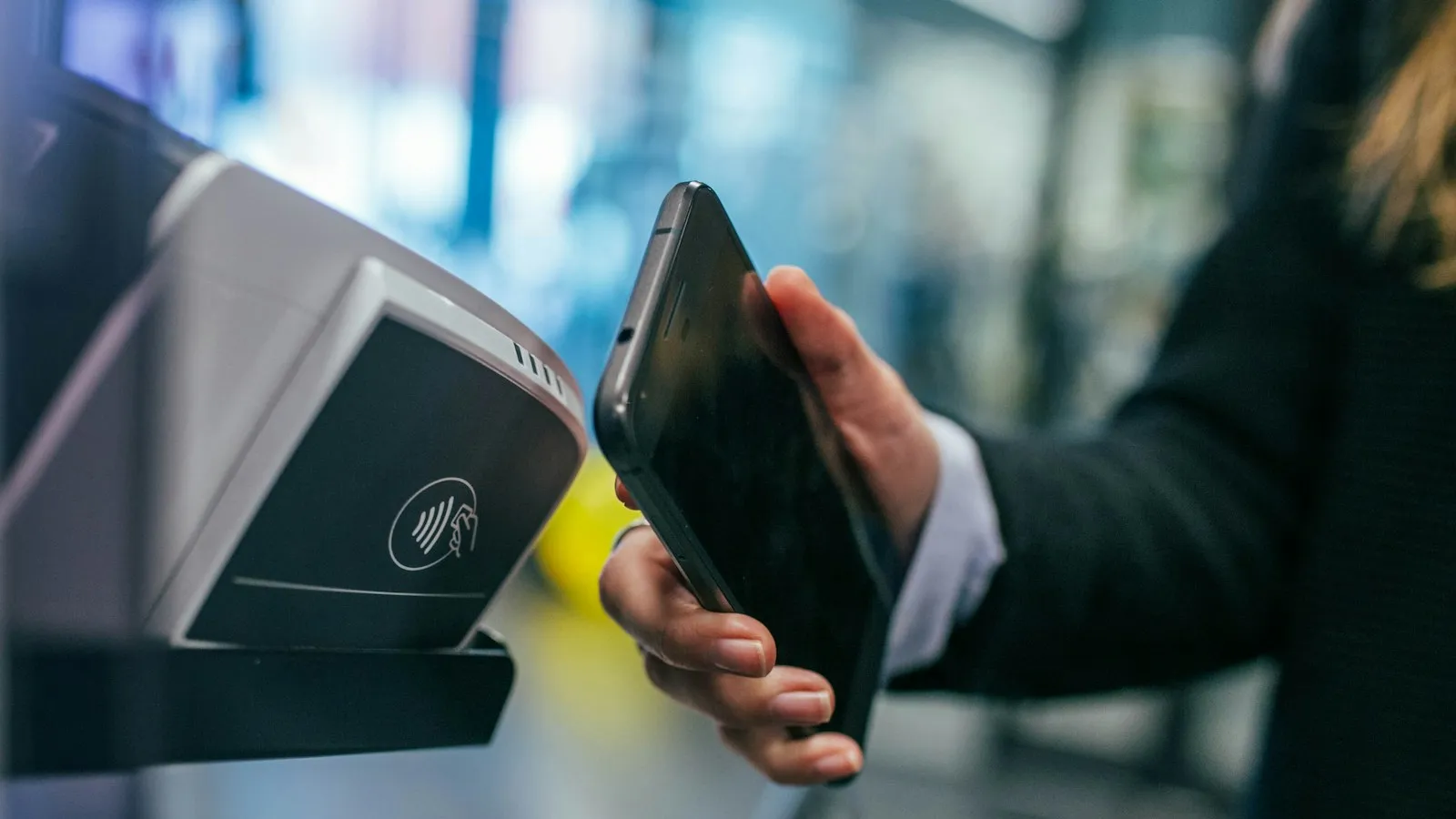
Mobile wallets like Apple Pay and Google Pay also hide your real card, replacing it with a device-specific token. When a site or app offers “Pay with Apple Pay” or “Pay with Google Pay,” it is usually safer than typing your card by hand.
Payment apps: protection for unknown sellers
Apps like PayPal keep your card details away from the seller and add buyer protection on eligible physical goods. If an item never arrives or is not as described, you can open a dispute through the app.
Read the fine print, though. Buyer protection usually covers goods and services purchases, not money sent to “friends and family,” which scammers love to request precisely because it has no protection.
The methods to avoid online
Some payment types belong nowhere near an online checkout. A debit card is the everyday one to skip, because fraud comes straight out of your account and you are without that cash until the bank investigates.
Far worse are bank transfers, wires, and gift cards. These are effectively cash: once sent, the money is gone with virtually no path to recovery. Any store or “support agent” that insists on them is telling you it is a scam.
No legitimate retailer will ever ask you to pay with a gift card, and no real bank or government agency collects payment that way. A gift card request is one of the clearest scam signals there is. The FTC keeps a plain guide on this at consumer.ftc.gov.
Match the method to the purchase
You do not need one perfect method for everything. A simple rule of thumb covers most situations without much thinking.
For a trusted retailer you use often, a credit card or mobile wallet is plenty. For a brand-new store or a free trial, use a virtual card number so you can cut it off later. For a marketplace with an unknown seller, lean on a payment app’s buyer protection.
Whatever you pick, back it up with alerts and a monthly statement scan, the safety net that catches anything that still slips through. It all ties into the wider plan in our overview of protecting your money and identity online, and it pairs naturally with our habits for shopping online safely with any card.
Your afternoon checklist
- Set a credit card or mobile wallet as your default for trusted, everyday online stores.
- Check whether your bank or a service offers virtual card numbers and enable them.
- Use a virtual card number for new stores, free trials, and subscriptions you may cancel.
- Pay through a payment app’s buyer protection when buying from unknown sellers.
- Stop using your debit card for online purchases where you have another option.
- Never pay any online seller by bank transfer, wire, or gift card.
- Turn on transaction alerts on whichever card or app you use most.
- Read your full statement once a month to catch anything that slipped past.
Pick your method by habit rather than by how the store looks, and you carry the same protection into every purchase. That is what lets two people meet the same scam and only one of them lose sleep over it.