Identity theft rarely announces itself. There is no dramatic moment, no alarm. Instead there is a slightly odd letter, a bill for something you never bought, a call from a collections agent about a debt that is not yours. The people who recover fastest are the ones who noticed the small thing and did not shrug it off.
These eight signs are the small things. Learn to spot them, and you catch a thief in week one instead of month six.
Key takeaways
- Identity theft usually shows up as small anomalies before it becomes a large disaster.
- Unexpected mail, missing mail, and mystery charges are the three earliest and most common signals.
- A denied application or a surprise drop in your credit score often means someone opened accounts in your name.
- Any one sign deserves a same-day check; two together deserve a credit freeze.
- Free tools let you confirm most of these signs in minutes, without paying a monitoring service.
Why early signs matter so much
The damage from identity theft compounds over time. A single opened account becomes several, missed payments pile into collections, and your credit score sinks under weight you never created.

Catch it at sign one and you might spend an afternoon on the phone. Catch it after six months and you are untangling loans, disputing a wrecked credit file, and proving debts are not yours to companies that do not want to hear it. Speed is the whole game.
The 8 warning signs to watch for
Here they are, roughly in the order people tend to notice them. Any single one is worth a look. Two at once means act today.
1. Charges you do not recognize
A small, unfamiliar charge on your card or bank statement is the classic first sign. Thieves often test a stolen number with a tiny purchase before spending big, so a mystery $1.99 can matter more than it looks.
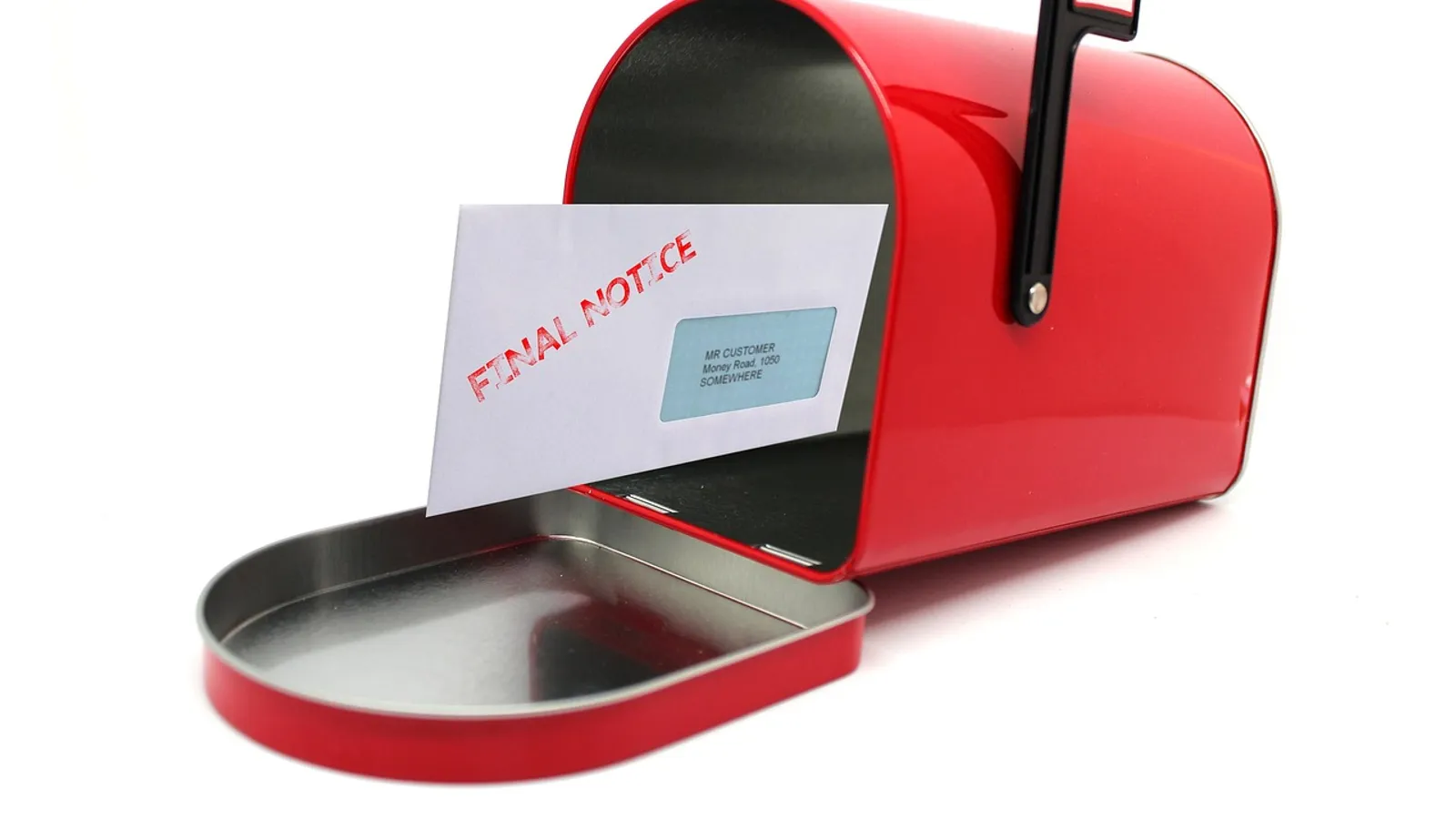
2. Mail you did not expect
A welcome packet for a card you never applied for. A statement from a lender you have never used. These arrive because a thief opened an account with your details but their own plan, and one piece slipped through to your real address.
3. Bills or mail that stop arriving
The opposite is just as telling. If a regular bill suddenly stops showing up, someone may have changed the mailing address on your account to hide their activity from you. Missing mail is easy to ignore and dangerous to.
4. A call from a debt collector about a debt that is not yours
Collectors calling about a loan or purchase you never made is a strong signal that an account exists in your name. Do not dismiss it as a wrong number; ask which account and creditor, and write down the details.
5. A denied application or an unexpected credit score drop
You apply for a card or loan and get turned down, or you notice your score fell for no reason you can name. Both can mean new debts and missed payments are being logged under your identity.
6. New accounts or inquiries on your credit report
An account you did not open, or a hard inquiry from a lender you never contacted, sitting on your credit report is direct evidence. This is why regularly reading your report matters, a habit we cover in our guide to monitoring your credit without paying.
7. Medical bills or benefit notices for care you never received
Medical identity theft is easy to miss. A bill for a procedure you never had, or a notice that your insurance benefit is used up, can mean someone is using your identity to get treatment or prescriptions.
8. Your tax return is rejected as already filed
If you file and the system says a return already exists under your Social Security number, a thief filed first to steal your refund. This one usually surfaces once a year and hits hard.
Set your bank and card apps to alert you on every transaction, even tiny ones. Real-time alerts turn sign one, the mystery charge, into a notification you see within minutes instead of a line you might miss on a monthly statement.
How to confirm a sign fast
Noticing something odd is step one. Confirming it takes only a few free checks, and you do not need a paid service.
| Sign you noticed | Fastest way to confirm |
|---|---|
| Mystery charge | Open the bank or card app and check the merchant name and date. |
| Unexpected new-account mail | Pull your free credit reports and look for accounts you did not open. |
| Debt collector call | Ask for the creditor and account, then check your credit report for it. |
| Score drop or denial | Read the free report from each bureau for new debts or late marks. |
| Rejected tax return | Contact the tax authority directly and request an identity-verification review. |
In the United States you can get free credit reports from all three bureaus through the official site, and government guidance for victims lives at identitytheft.gov, which walks you through reporting and recovery.
Do not use a phone number or link from the suspicious letter or call itself to “verify.” Thieves plant fake contact details to reel you in further. Always look up the bank, creditor, or agency independently and reach out through their own official channel.
What to do the moment you spot one
One sign warrants a same-day check. Two together, or a confirmed fraudulent account, means it is time to lock things down before more damage lands.
The single most protective move is to freeze your credit, which stops thieves from opening anything new in your name and costs nothing. Our step-by-step guide to freezing your credit to block fraud shows exactly how at each bureau.
From there, work through a proper recovery plan so nothing gets missed. Our identity theft recovery steps checklist covers exactly what to report and in what order, and the broader overview of protecting your money and identity online ties these steps together.
Your afternoon checklist
- Open every bank and card app and scan recent transactions for anything unfamiliar.
- Turn on transaction alerts so future mystery charges reach you within minutes.
- Pull your free credit reports from all three bureaus and read them line by line.
- Flag any account or hard inquiry you do not recognize and note the creditor.
- Check that your regular bills are still arriving on schedule.
- Look up any debt collector or lender independently, never through the number they gave you.
- If you confirm one clear sign, freeze your credit the same day.
- Save identitytheft.gov and your bureaus’ real phone numbers where you can find them fast.
The thieves count on you explaining away that first odd letter. When you treat small anomalies as worth ten minutes of attention, you take away the head start they need. Notice early, and the whole thing stays small.