You listed an old couch on Facebook Marketplace for 80 dollars. Within an hour, a buyer messages: they will send extra to cover a courier, just share a code they are texting you to “verify you are a real seller.” That code is a doorway into your account, and the courier does not exist. The whole thing was built to separate you from your money or your identity, and it took the scammer about four minutes.
Buying and selling between strangers is genuinely useful, and most of it goes fine. The trouble is that the same openness that makes marketplaces work also gives con artists an easy stage. A few habits keep you on the safe side of that line.
Key takeaways
- Real buyers and sellers do not need verification codes, extra couriers, or off-platform apps.
- Overpayment and “send me the difference” requests are always a scam, with no exceptions.
- Meet in person for local deals, and pay only through the platform for shipped ones.
- A deal that beats every other price by a wide margin is bait, not luck.
How marketplace scams actually work
Almost every version leans on one of two feelings: greed for a great deal, or fear of losing a sale. Scammers know a seller with a listing up is motivated, and a shopper who found a bargain is excited. They aim straight at that.
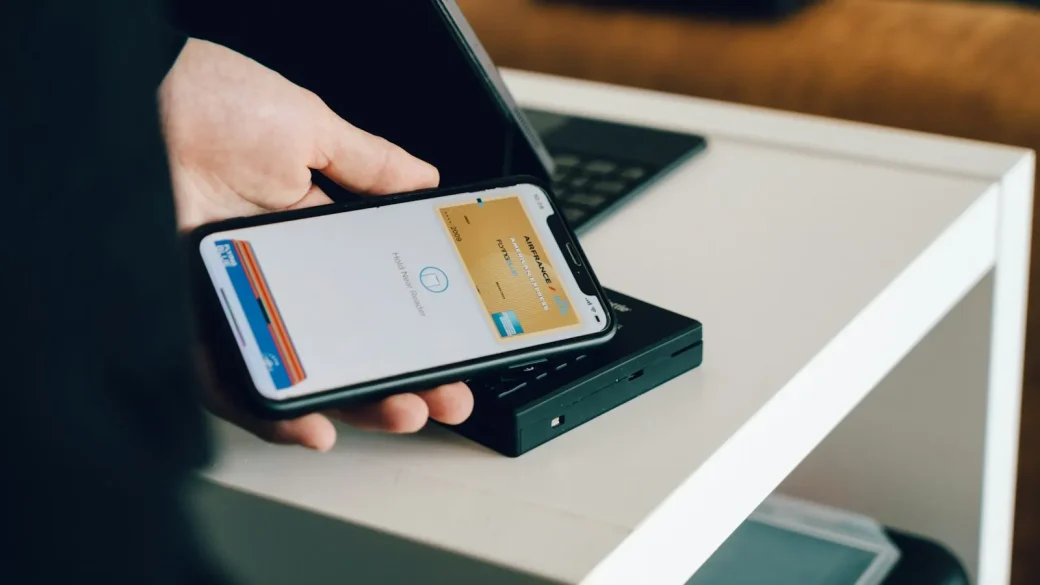
The mechanics are simple. They move you off the marketplace to text or a third-party app, invent a reason you must act fast, and steer you toward a payment method that cannot be reversed. Once you understand that pattern, the specific stories stop mattering. If someone is rushing you off-platform toward an irreversible payment, that is the tell.
This is the same manipulation playbook we break down in our guide to spotting scams and phishing as a beginner. Marketplaces are just one of the places it shows up.
The scams aimed at sellers
If you are the one with a listing, you are a target for a specific set of tricks. Here are the ones I see land most often.
The verification code trap
A “buyer” asks you to prove you are real by reading back a code they just sent. In reality, they entered your phone number on a service (or on Google) to create or take over an account, and the code is the one-time password. Reading it aloud hands them the account. No legitimate buyer ever needs a code from your phone.
Overpayment and fake courier
The buyer “accidentally” pays too much, or insists on sending their own delivery driver and covering the fee through you. Then they ask you to refund the difference or pay the courier. The original payment is fake or will be reversed later, and the money you send is real and gone.
A screenshot of a payment is not a payment. Scammers fake confirmation emails and app screens that look perfect. Only trust money you can see cleared in your own bank or payment app, not in a message they sent you.
Zelle “business account” upgrade
A buyer claims your account needs upgrading to a business tier to receive their payment, and that they will front the fee if you send a small amount first. Payment apps do not work this way. You are simply being asked to send money to a stranger.
The scams aimed at buyers
When you are the shopper, the pressure flips. Now you are the one worried about losing a good deal, and that is exactly the emotion being played.
The classic is the deposit for an item you will never see: an apartment, concert tickets, a puppy, a game console at half price. The seller wants a deposit by app to “hold it” against other interested buyers. You pay, and the account vanishes. These often overlap with the wider world of fake online stores that take your money and disappear, so the same caution applies.
Another version ships you nothing, or ships an empty box, after you pay by a method with no buyer protection. When I helped my neighbor buy a used bike, the seller pushed hard for a gift card payment “to avoid fees.” That single request told us everything: we walked, and a week later that listing was reported as fraud.
Reverse image search a listing photo before you pay. Scammers reuse stock or stolen images. If the same picture appears on ten other listings or a retailer’s site, the deal is not real.
Safe versus risky payment methods
Your payment method decides whether a bad deal is a lesson or a disaster. Reversible, protected payments give you a way back. Irreversible ones do not.
| Payment method | Reversible if scammed? | Use for marketplaces? |
|---|---|---|
| Cash, in person, item in hand | N/A, you inspect first | Best for local deals |
| Platform checkout (with buyer protection) | Often, through the platform | Good for shipped items |
| Credit card via platform | Yes, you can dispute | Good, adds a safety net |
| Peer payment app (Zelle, Venmo to friends) | Rarely, treat as cash | Risky with strangers |
| Gift cards or wire transfer | No, gone permanently | Never |
If anyone insists on gift cards, they are not a buyer or seller. They are running the same con we cover in detail in our guide to gift card payment scams, and the answer is always no.
Simple rules that keep you safe
You do not need to memorize every scam. A handful of firm rules covers nearly all of them.
Keep every conversation and payment on the platform itself. The marketplace can only protect a transaction it can see. The second someone moves you to text, WhatsApp, or email, your safety net is gone and that is usually the point.
For local sales, meet in a public, well-lit place during the day. Many police stations now offer marked “safe exchange zones” in their parking lots for exactly this. Bring a friend, and never invite a stranger to your home or go alone to theirs.
Slow down when you feel rushed. Urgency is the scammer’s favorite tool, and it is worth learning to recognize on its own, which we cover in our rundown of the urgency tricks scammers use. A real deal survives you taking a day to think.
The U.S. Federal Trade Commission runs a plain-language hub on how to recognize and avoid these scams at consumer.ftc.gov, and it is worth a bookmark before your next sale.
Your afternoon checklist
- Turn on two-factor authentication for your marketplace and email accounts so a leaked code cannot hand over your login.
- Set a personal rule: never share any code texted to your phone with a buyer or seller.
- Decide your accepted payments in advance: cash in person, or platform checkout for shipping.
- Reverse image search any listing photo before you send money to a seller.
- Pick a public safe-exchange spot near you for local meetups and use it every time.
- Report and block anyone who pushes you off-platform or rushes you, then move on.
- Bookmark the FTC scam page so you can check a new trick in thirty seconds.
Marketplaces reward the calm and the curious, not the rushed. If you keep the money on-platform, meet in daylight, and treat every “just send me the difference” as the red flag it is, you get to enjoy the good deals without funding someone else’s con.