There is a whole industry built on selling you credit monitoring for ten or twenty dollars a month. Here is the quiet part they leave out: almost everything those services do, you can do yourself for free, in about twenty minutes a month.
Your credit report is the ledger where identity theft leaves footprints. A new loan you never took, a card you never opened, a hard inquiry from a lender you never contacted. Read that ledger regularly and you catch a thief long before the debt balloons.
Key takeaways
- You are entitled to free credit reports from all three major bureaus, and you can stagger them through the year.
- Free alerts from the bureaus or your bank flag new accounts and hard inquiries as they happen.
- You are watching for accounts, inquiries, and personal details you do not recognize.
- Monitoring spots fraud after it starts; a credit freeze prevents new-account fraud in the first place.
- A steady free routine beats an expensive service you stop reading after month two.
What monitoring actually watches for
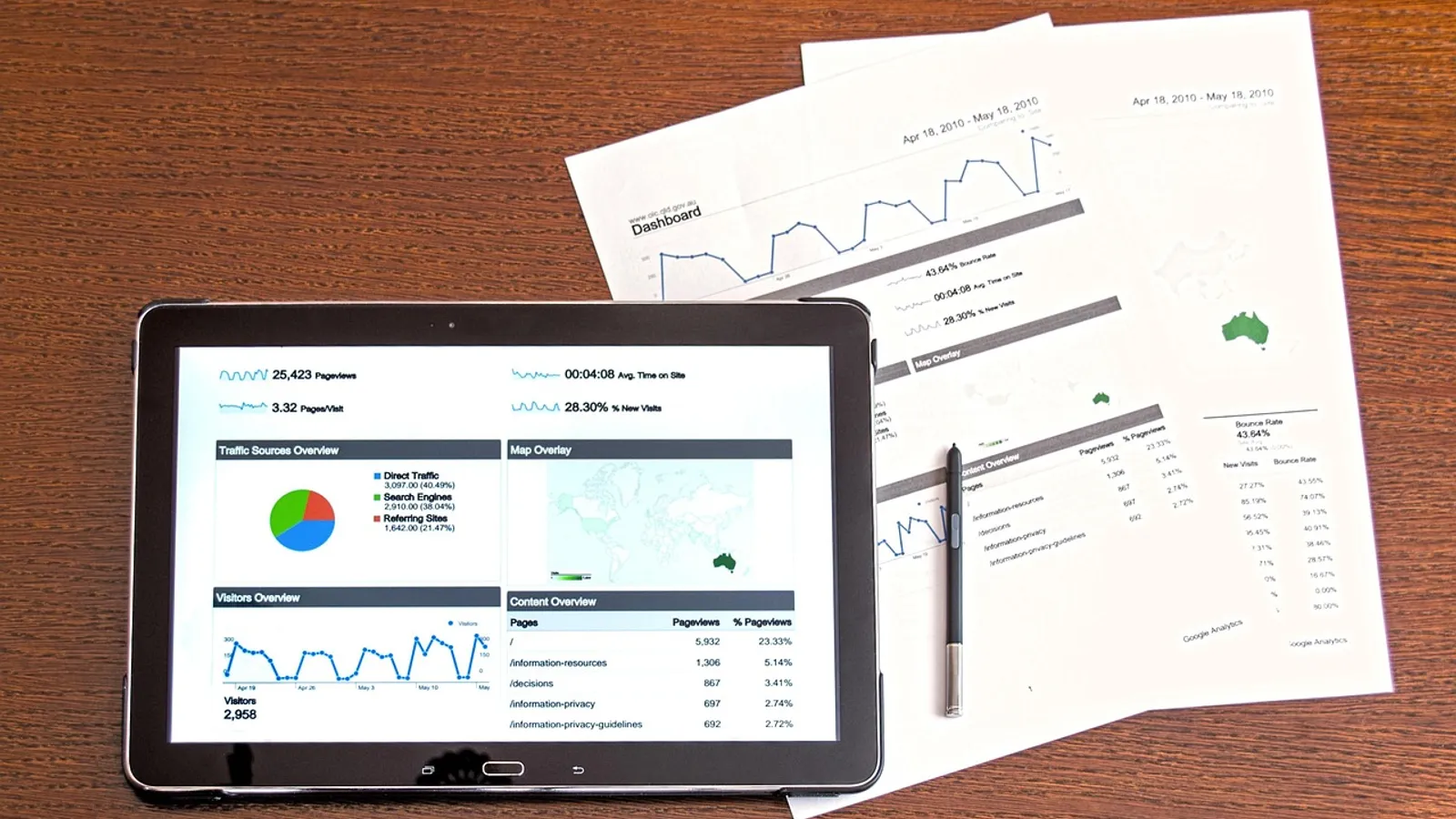
Monitoring your credit means regularly checking two things: your full credit report, and alerts about changes to it. Between them, they surface the signs that someone is using your identity.
On the report, you are scanning for accounts you did not open, addresses that are not yours, and employers you never worked for. Any of these can mean a thief is building a life on your identity.
From alerts, you want a heads-up the moment a new account or a hard inquiry appears. A hard inquiry means someone applied for credit using your details, and if it was not you, that is your cue to act fast, ideally before the account is even approved.
The free tools that cover the basics
You do not need to pay to assemble solid coverage. Here is what is available for free and what each piece does.
| Free tool | What it gives you | How often |
|---|---|---|
| Official free credit reports | Your full report from each of the three bureaus. | Stagger one every few months. |
| Bureau account alerts | Notifications of new inquiries and accounts, free at each bureau. | Real time. |
| Bank and card credit-score tools | A running score and sometimes report summaries inside your existing app. | Continuous. |
| Transaction alerts | Instant flags on charges, which catch existing-account fraud. | Real time. |
In the United States, the official source for free reports is annualcreditreport.com, the only site authorized under federal law. You can space your three free reports across the year, pulling one bureau every four months so you always have a recent view.
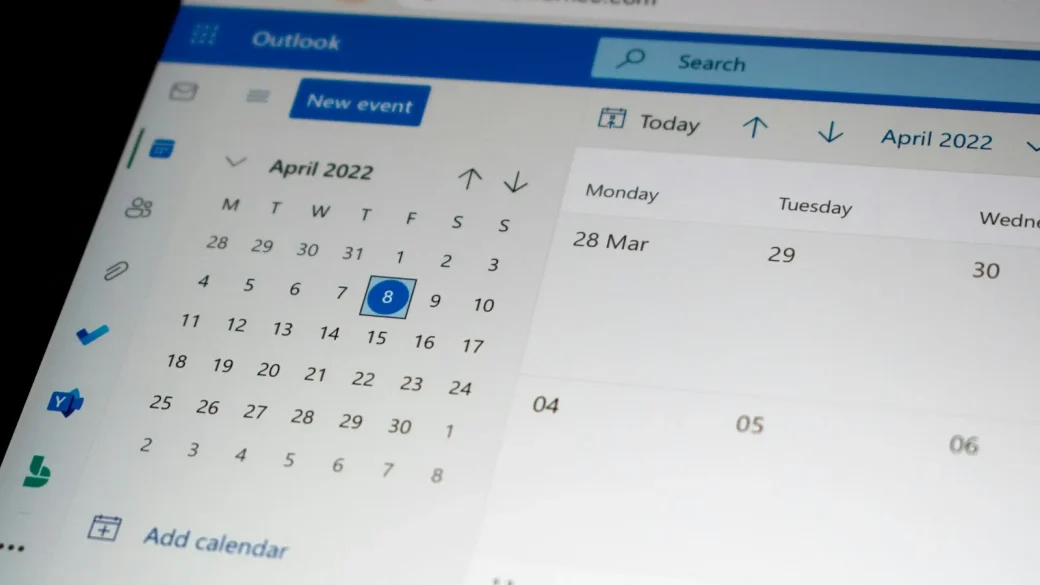
Put a recurring reminder in your calendar every four months titled “pull one credit report.” Rotate through Equifax, Experian, and TransUnion. That single habit gives you three checkpoints a year without paying anyone, and it takes about ten minutes each time.
How to read a report without glazing over
Credit reports look dense, but you only care about a few sections. Skip the rest on a routine check.
Accounts
Scan the list of open and recent accounts. Every one should be something you recognize. An unfamiliar credit card, loan, or line of credit is the clearest sign of new-account fraud and the reason to act immediately.
Inquiries
Look at the hard inquiries, which are requests from lenders when you apply for credit. Each should match an application you actually made. An inquiry you cannot explain often precedes a fraudulent account.
Personal information
Check the names, addresses, and employers listed. Thieves sometimes add an address of their own so statements go to them. An address you have never lived at is a red flag worth chasing down.
Only use the official free report site. Many lookalike sites promise “free” reports, then sign you up for a paid subscription buried in the fine print. If a “free” report asks for a card number to continue, you are in the wrong place.
Monitoring versus freezing: use both
People often ask whether they need to monitor if they have frozen their credit. The honest answer is that the two do different jobs, and together they are far stronger than either alone.
A freeze prevents thieves from opening new accounts, which is why it belongs first in your plan; our guide to freezing your credit to block fraud covers it. Monitoring catches what a freeze cannot, such as fraud on an existing card or an account opened before you froze.
Together they form a simple loop: freeze to prevent, monitor to detect. Knowing the early signs of identity theft makes your monitoring sharper, because you know what the footprints look like. All of this slots into the broader plan in our overview of protecting your money and identity online.
The FTC maintains clear, current guidance on your rights to free reports and how monitoring fits into identity protection at consumer.ftc.gov. It is a reliable reference when a bureau’s own site feels confusing.
Building a routine you will actually keep
The best monitoring plan is the one you do not abandon. Fancy paid dashboards get ignored by month two; a two-line calendar reminder gets done for years.
Turn on free alerts once, so the real-time layer runs itself. Then set your quarterly report reminder and give it ten minutes when it pops up. When I set this up for my mother, the alerts did ninety percent of the work automatically, and her quarterly report check became a five-minute coffee ritual rather than a chore.
Your afternoon checklist
- Pull one free credit report today from the official site to establish a baseline.
- Turn on free new-account and inquiry alerts at each of the three bureaus.
- Enable the free credit-score tool inside your bank or card app.
- Switch on transaction alerts to catch existing-account fraud in real time.
- Add a recurring calendar reminder to pull one report every four months.
- On each report, check accounts, inquiries, and personal details for anything unfamiliar.
- Bookmark only the official free report site to avoid paid lookalikes.
- Pair this routine with a credit freeze so you both prevent and detect fraud.
You do not need a subscription to keep an eye on your own credit; you need a couple of alerts and a recurring reminder. Set those up once, and you will spot trouble as fast as any paid service would, for exactly nothing a month.