
A $4.99 charge from a company you have never heard of. It sits near the bottom of your statement, wedged between the coffee shop and the gas station, and your eyes slide right past it. That tiny charge is often the first probe a thief runs to see if your card number works before they try something bigger.
Reading a statement is a five-minute habit, not a chore for accountants. Once you know what fraud actually looks like, the fake charges start to jump off the page.
Key takeaways
- Small “test” charges under $10 are the classic warning sign, not the huge purchases people expect.
- Check your statement weekly, not once a month, so you catch fraud inside the reporting window.
- Unfamiliar merchant names are often legitimate, so verify before you panic.
- Federal rules cap your credit card liability at $50, and most issuers make it $0 if you report promptly.
What card fraud actually looks like
Most people picture a stolen card being used for a giant shopping spree. Real fraud is usually quieter than that. Thieves who buy card numbers in bulk want to know which ones are still active, so they run a tiny charge first.
That test might be a $1 charge to an online donation site, a $2.50 charge to a streaming service, or a small foreign transaction. If it clears, a bigger charge follows within days.
Other patterns show up too. Watch for the same merchant charging you twice on the same day, a subscription you canceled that keeps billing, or a charge in a city or country you have never visited.
Fraud on a credit card is different from fraud on a debit card. With a credit card, the money is the bank’s until the dispute resolves. With a debit card, the cash leaves your checking account immediately, which is why many people keep debit out of online shopping entirely.
Real charge or fake charge? How to tell them apart
Here is the tricky part. Plenty of legitimate charges look suspicious because the merchant’s billing name has nothing to do with the storefront you actually bought from. A parent company, a payment processor, or a franchise owner’s LLC can all appear instead.
Before you flag anything, do a quick check. Search the exact merchant name from your statement in your browser. Add the dollar amount if the name is generic.
Signs a charge is probably real
- The amount matches a purchase you or a family member made recently.
- The billing descriptor includes a phone number or city you recognize.
- A quick search shows the odd name is a known payment processor for a store you use.
- It is a recurring amount you signed up for, even if you forgot about it.
Signs a charge is probably fraud
- You cannot connect it to any purchase, and nobody on the account recognizes it.
- It is a small, round test amount from a merchant with a vague name.
- The location does not match where you shop or live.
- Several similar charges appear in a short burst.
When I helped my sister review her statement, three “mystery” charges turned out to be her own gym, a game her son bought, and a magazine she forgot she renewed. The fourth, a $6 charge to a company registered overseas, was the real thief. That ratio is normal. Most suspicious lines are innocent, so verify first.
A quick reference for common statement confusion
| What you see | Likely meaning | What to do |
|---|---|---|
| Small charge, unknown vague name | Card testing by a thief | Search the name, then dispute if unrecognized |
| Odd company name, familiar amount | Parent company or processor billing | Confirm with a quick search, keep it |
| Duplicate charge same day | Merchant error or double swipe | Contact the merchant first |
| Recurring charge you forgot | Active subscription | Cancel at the source, then dispute if it continues |
| Charge from a foreign country | Possible stolen number | Freeze the card and dispute promptly |
Set a transaction alert so you do not have to remember to check. Most banking apps let you get a text or push notification for every charge, or every charge over a set amount. That turns statement review into something that comes to you.
Build a five-minute weekly habit
Monthly statements are too slow. By the time a paper statement arrives, the thief has had weeks, and you may already be near the deadline to dispute cleanly.
Instead, open your banking app once a week. Pick a fixed moment, like Sunday coffee, so it sticks. Scroll the pending and posted transactions and read every line, not just the totals.
Turning on real-time alerts makes this even easier. Our guide to setting up bank and card fraud alerts walks through the exact toggles, and it pairs well with the broader plan in protecting your money and identity online.
If you want the government’s plain-language explanation of your rights, the Federal Trade Commission keeps a clear page on disputing credit card charges that is worth bookmarking.
What to do the moment you spot something
Speed matters more than certainty. You do not need to prove the charge is fraud before you act. You just need to report it and let the bank investigate.
Call the number on the back of your card or use the “report a problem” button in the app. Explain that you do not recognize the charge and want it disputed. Ask them to freeze or replace the card if a stolen number is likely.
Then keep a short record. Note the date you called, the name of the person you spoke to, and any case number. If the first charge was a test, ask them to watch for follow-up attempts. The full walkthrough lives in our guide on how to dispute a fraudulent charge and win.
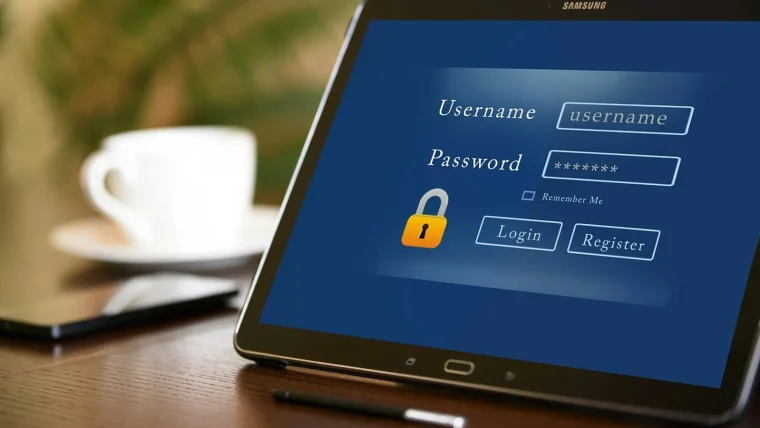
Scammers know people are nervous about fraud, so they send fake “suspicious charge” texts that link to a login page. Never click a link in an alert message. Open your banking app directly, or call the number printed on your physical card.
Your afternoon checklist
- Open your banking app and read every line of the last 30 days, not just the total.
- Search any merchant name you do not recognize before assuming it is fraud.
- Turn on per-transaction or over-a-threshold alerts in your app.
- Set a weekly recurring reminder to scan your statement.
- Save your card issuer’s fraud line in your phone contacts now, before you need it.
- Cancel any forgotten subscriptions at the source so real charges stop.
- Report anything genuinely unrecognized the same day and note the case number.
Fraud is easiest to beat when it is small and fresh. Give your statement five honest minutes a week, and you will catch the $4.99 probe long before it grows into a headache.