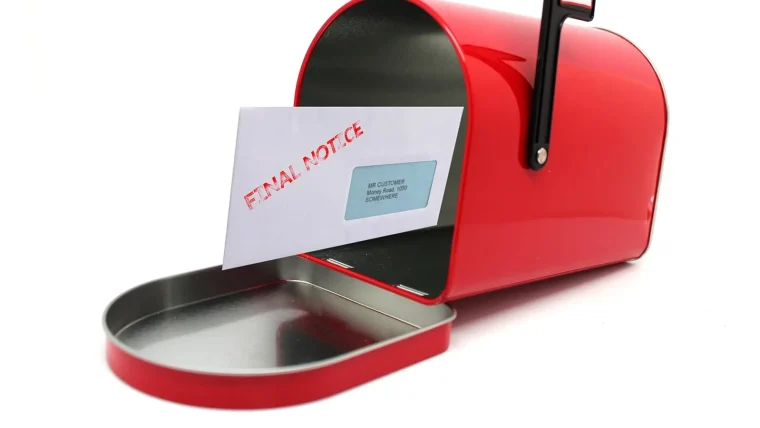

The first sign was a letter. Not a scary one, just a routine “welcome to your new store card” mailer addressed to Marcus, a card he had never applied for. He almost tossed it. He wishes now that he had not almost done that, because that envelope was the only early warning his family got before eight months of paperwork, phone calls, and dread.
This is a composite story, built from patterns that play out for real families every year. The names and details are stand-ins, but every mistake and every fix below is one you can act on today.
Key takeaways
- Identity theft often starts quietly, with a stray letter or a small unfamiliar charge that is easy to ignore.
- A single reused password led to a chain reaction across this family’s accounts.
- Recovery took months because the safeguards that would have stopped it early were never set up.
- Every fix that would have saved them was free and takes under an afternoon.
How it started: one password, everywhere
Marcus used the same password for his email, his shopping accounts, and a small forum he had joined years earlier. That forum was breached, and the leaked list ended up for sale.

A thief ran that password against his email and got in. Email is the master key: once inside, they reset passwords for anything linked to it, read his statements to learn his bank and card details, and quietly set up mail forwarding so he would not see the alerts.
If Marcus had used a unique password and two-factor login on his email, the chain would have snapped at the first link. Our overview of protecting your money and identity online starts exactly there, with the email account that guards everything else.
The signs that got missed
Looking back, the warnings were all there. They just did not look like emergencies at the time.
The store-card letter was one. A $1 charge on the debit card, gone the next day, was another; a classic test to confirm the card worked. A “did you just log in from a new device?” email that Marcus assumed was spam and deleted was the third.
Thieves count on small signals being ignored. A tiny charge, an unexpected account letter, or a login alert you did not trigger are not noise. They are often the only warning you get.
There was a fourth sign too, quieter than the rest. Marcus’s wife mentioned that a bank statement had not arrived that month. Neither of them thought much of it, but the missing mail was the forwarding the thief had set up, redirecting alerts so the fraud could grow undisturbed.
Any one of these, taken seriously, would have cut months off the recovery. Knowing what to watch for is half the battle, which is why our list of early signs of identity theft exists. The pattern that ties them together is simple: anything you did not initiate deserves a second look, even when it seems minor.
The eight months that followed
By the time Marcus connected the dots, the damage had spread. There were two new credit cards in his name, a payday loan, and a phone contract with an unpaid balance already in collections.
The work of undoing it was slow and relentless. Here is roughly how the months broke down.
| Stage | What it involved | Rough time |
|---|---|---|
| Securing accounts | New passwords, two-factor, removing mail forwarding | Week 1 |
| Freezing credit | Contacting all three bureaus | Week 1-2 |
| Filing reports | FTC report, police report, fraud affidavits | Weeks 2-4 |
| Disputing accounts | Letters to each lender, back-and-forth proof | Months 2-6 |
| Clearing collections | Removing the fraudulent debt from records | Months 4-8 |
What helped Marcus most was following a structured recovery plan instead of improvising. Our free step-by-step at the identity theft recovery checklist maps out the same sequence he eventually stumbled into. Starting there on day one, rather than month two, is the difference between weeks and months.
The U.S. Federal Trade Commission runs a free recovery service that generates a personalized checklist and pre-filled dispute letters at identitytheft.gov. It is the first place to go, and it costs nothing.
What would have stopped it, and cost nothing
Here is the part that stings. Every safeguard that would have protected Marcus’s family was free and quick.
A credit freeze would have blocked all of it. With his credit frozen, no thief could open a card, a loan, or a phone contract in his name, full stop. Freezing is free at all three bureaus and takes about fifteen minutes; our guide to freezing your credit to block fraud walks through each one.
If you do only one thing after reading this, freeze your credit today. It is the closest thing to a hard stop that exists, it is free, and you can thaw it temporarily any time you actually need new credit.
A unique email password with two-factor login would have stopped the break-in at the source. And taking that first store-card letter seriously would have caught the fraud in its opening days rather than after it metastasized.
The lessons, boiled down
Marcus is fine now. The debts are cleared, his credit is repaired, and his whole family has frozen credit and unique passwords. But he lost most of a year to something a single afternoon of setup would have prevented.
Do not wait for your own welcome-to-your-new-card letter. The setup is boring, free, and far easier than the cleanup.
Your afternoon checklist
- Freeze your credit at all three major bureaus today.
- Give your email account a unique password and turn on two-factor login.
- Stop reusing passwords; move them into a password manager, one per account.
- Turn on transaction and new-login alerts for your bank and cards.
- Treat any unexpected account letter or tiny charge as a warning, not junk.
- Bookmark the FTC recovery site so you have a plan ready if theft ever hits.
- Pull your credit reports and confirm every account listed is really yours.
Marcus keeps that original store-card letter in a drawer as a reminder. You do not need one of your own to learn the lesson. Freeze your credit, lock down your email, and give the quiet warning signs the attention they deserve.