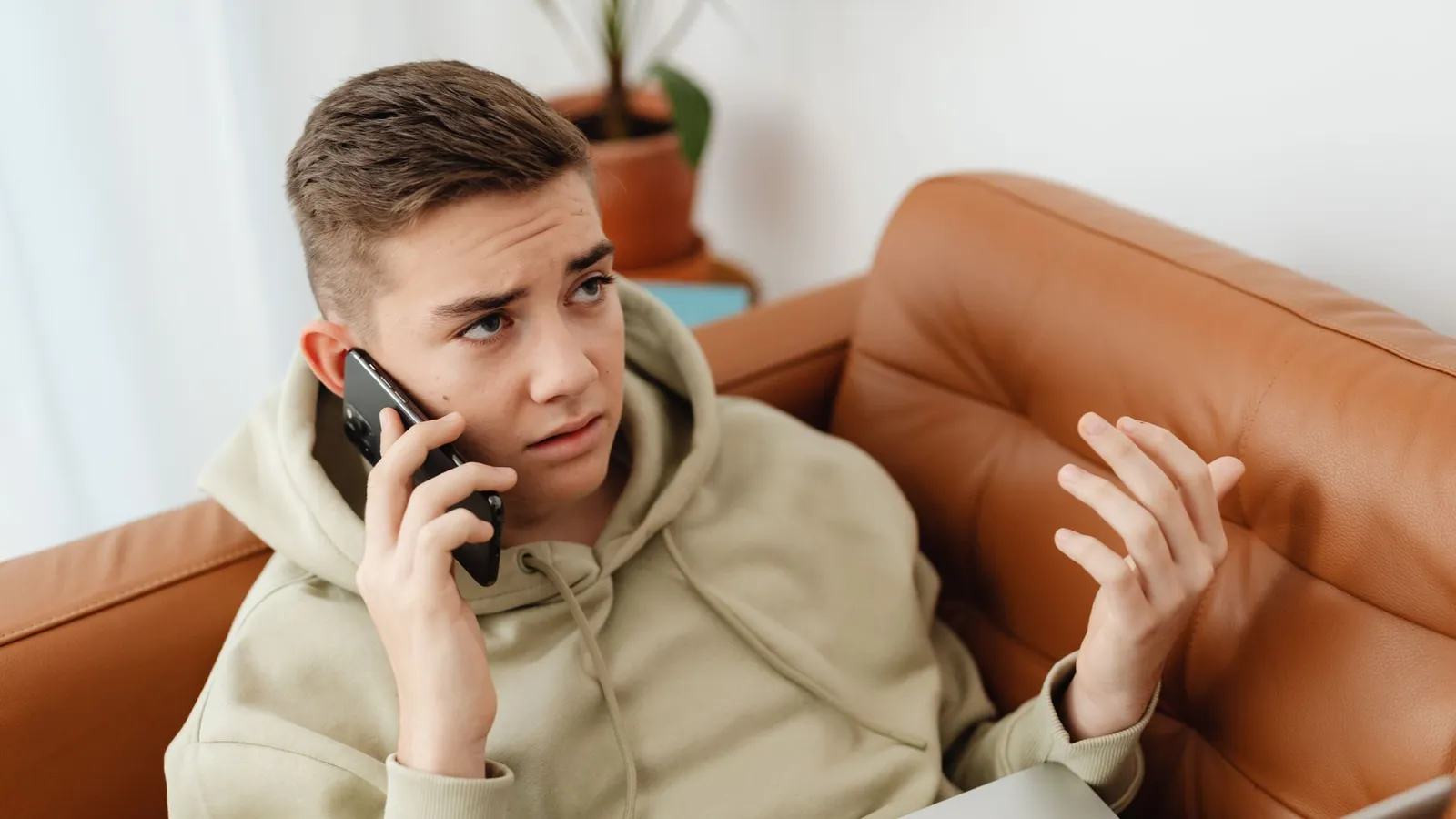
The phone goes face-down on the table a little too fast. Dinner gets picked at instead of eaten. A kid who used to narrate every group chat now says “nothing” when you ask who texted. Something shifted, and you can feel it even if you cannot name it.
Cyberbullying rarely announces itself. It leaks out as mood changes, sleep trouble, and a sudden dread of the very apps that used to be fun. The good news: your response matters more than any app setting, and there is a calm, ordered way to handle it.
Key takeaways
- Watch for behavior changes, not just what is on the screen, because most kids hide the actual messages.
- Your first job is to listen and stay calm, not to grab the phone or ban the app.
- Save evidence with screenshots before you block, then report and block inside the app.
- Serious threats, sexual content, or a child in crisis mean it is time to involve the school or authorities.
How do I know if my child is being cyberbullied?
You usually spot the shadow before you see the source. A child who is being targeted online often gets jumpy around notifications, loses interest in friends they used to love, or suddenly hates going to school.
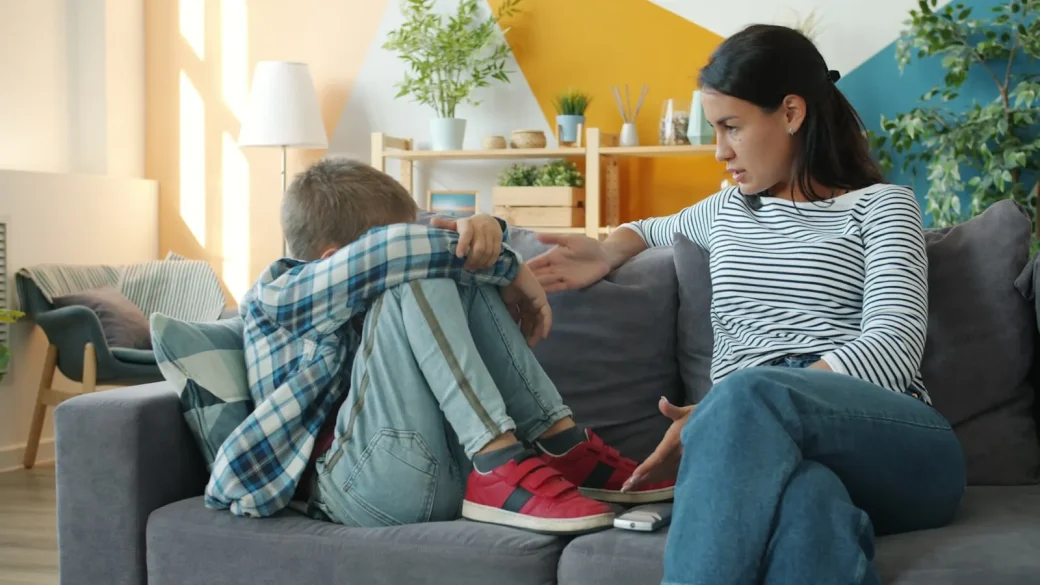
Look for a cluster of changes rather than a single bad day. Trouble sleeping, a drop in grades, deleting social accounts out of nowhere, or physical complaints like stomachaches before school can all point the same direction.
When I helped a neighbor with this, the tell was that her daughter had started leaving her phone in another room at night, which for a teenager is almost unheard of. The phone had become a source of stress, not comfort. That instinct to distance herself from it was the real signal.
Cyberbullying and in-person bullying often overlap. A child bullied at school may face the same people online after the final bell, which is part of why it feels inescapable to them. Understanding both sides helps you respond to the whole picture.
What should I say first?
Start by listening, not fixing. The single most helpful sentence is some version of “I am glad you told me, and we will figure this out together.” It tells your child they did the right thing and that they are not alone.
Avoid the two reactions kids fear most: overreacting and dismissing. If you explode or threaten to storm into the school, they learn to hide the next incident. If you shrug it off as drama, they learn you will not help.
Ask open questions. “What happened?” and “How are you feeling about it?” work far better than “Who did this?” fired like an interrogation. Keeping honest, low-pressure conversation going is the whole point of our broader approach to keeping kids safe online without spying on them.
Resist the urge to confiscate the phone as your first move. To a child, that can feel like punishment for telling you, and it teaches them that speaking up costs them their lifeline to friends. Address the bullying first, and talk about device limits separately if they are needed at all.
What are the practical steps to make it stop?
Once your child feels heard, move through a clear sequence. Doing these in order keeps you from destroying evidence you may need later.
Save the evidence first
Take screenshots of the messages, comments, or posts before anything else. Capture usernames, dates, and the content itself. If you block first, you may lose access to the proof.
Then block and report
Every major platform lets you block the person and report the content. On Instagram, TikTok, Snapchat, and others, the report button is usually behind the three-dot menu on a post or profile. Reporting flags it to the platform; blocking cuts off contact.
Adjust who can reach them
Switch accounts to private, tighten who can comment or send direct messages, and turn off message requests from strangers. These privacy settings are the same ones we walk through for helping teens stay safe on social media, and they cut off most future harassment at the source.
| Step | Why it matters | Do it before you… |
|---|---|---|
| Screenshot the messages | Creates evidence for the school or police | Block or delete anything |
| Report to the platform | Can get the account or content removed | Assume nothing will happen |
| Block the person | Stops direct contact | Move to privacy settings |
| Tighten privacy settings | Prevents new strangers from piling on | Consider the matter closed |
When is it time to involve the school or police?
Most cyberbullying can be handled at home with the steps above, but some situations need backup. Call in help when the harassment involves threats of violence, sexual content or images, blackmail, or when it clearly follows your child into their school day.
Schools generally have anti-bullying policies that cover online conduct between students, even when the messages are sent from home. Bring your saved screenshots to a counselor or administrator and ask what their process is.
If there are credible threats, sharing of intimate images, or evidence of an adult targeting your child, that crosses into territory for the police. In the United States, the government resource at stopbullying.gov lays out clearly when law enforcement should be involved and how to approach it.
How do I support my child through the aftermath?
Stopping the messages is only half the work. A child who has been bullied often carries the sting for weeks, and your steady presence is what helps them recover.
Keep the door open with regular, low-key check-ins rather than one big talk. Rebuild their confidence by pointing them back toward the friends, hobbies, and offline spaces where they feel good about themselves.
If you notice signs of lasting distress, such as ongoing anxiety, withdrawal, or any talk of self-harm, reach out to a counselor or your family doctor. There is no prize for handling this alone, and a professional can help in ways a parent cannot. Cyberbullying is one piece of the larger job we cover in our home and family cybersecurity basics, where emotional safety and account safety go hand in hand.
Your afternoon checklist
- Have a calm, screen-free conversation and lead with “I am glad you told me.”
- Take screenshots of every bullying message, comment, or post before doing anything else.
- Report the content and block the person on each app where it happened.
- Set your child’s accounts to private and limit who can message or comment.
- Save the evidence in one folder in case the school or police need it.
- Contact the school counselor if the bullies are classmates or it affects school.
- Note any threats, sexual content, or blackmail and be ready to call the police.
- Schedule a gentle follow-up chat in a few days to see how they are holding up.
No parent feels ready for this, and you do not have to be. Staying calm, saving proof, and reminding your child they are not facing it alone will carry you through almost every version of it. That steady presence is the thing they will remember long after the messages are gone.